Client & Community Toolkit

Educational Resources & Recommended Media

Curated books, clinical insights, and multimedia recommendations to support self-reflection, personal growth, and behavioral understanding.

Book Recommendations

Mental Health & Personal Growth Resources

I've curated these books for insight, encouragement, and practical tools as you navigate anxiety, healing, relationships, health challenges, or a new season of life. Reading can be a meaningful complement to therapy and your personal journey.


Cover of Ten Things Every Child with Autism Wishes You Knew
Understanding Children

Ten Things Every Child with Autism Wishes You Knew

By: Ellen Notbohm

Cover of How We Love Our Kids
Understanding Children

How We Love Our Kids

By: Milan & Kay Yerkovich

Cover of The Lost Boy
Understanding Children

The Lost Boy

By: Dave Pelzer

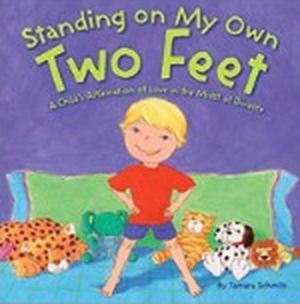
Cover of Standing on My Own Two Feet
Understanding Children

Standing on My Own Two Feet

By: Tamara Schmitz

Cover of A Child Called It
Understanding Children

A Child Called "It"

By: Dave Pelzer

Cover of Hey, Kiddo
Understanding Children

Hey, Kiddo

By: Jarret J. Krosoczka

Cover of The 5 Love Languages of Children
Understanding Children

The 5 Love Languages of Children

By: Gary Chapman

Cover of The Privilege of Youth
Understanding Mental Health

The Privilege of Youth

By: Dave Pelzer

Cover of Slave: My True Story
Understanding Mental Health

Slave: My True Story

By: Damien Lewis

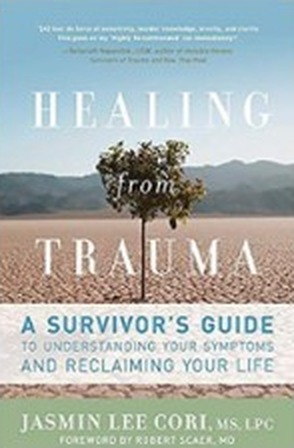
Cover of Healing from Trauma
Understanding Mental Health

Healing from Trauma

By: Jasmin Lee Cori

Cover of A Man Named Dave
Understanding Mental Health

A Man Named Dave

By: Dave Pelzer

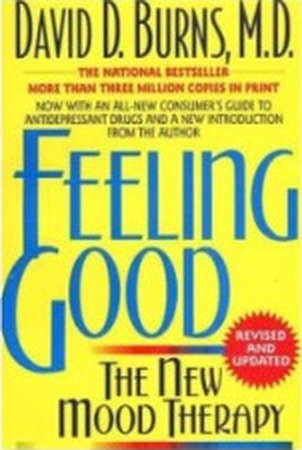
Cover of Feeling Good: The New Mood Therapy
Anxiety & Depression

Feeling Good: The New Mood Therapy

By: David D. Burns, MD

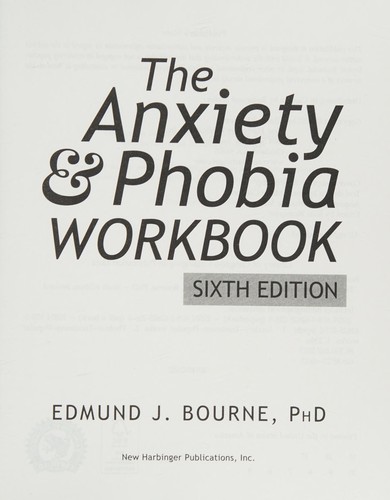
Cover of The Anxiety and Phobia Workbook
Anxiety & Depression

The Anxiety and Phobia Workbook

By: Edmund J. Bourne, PhD

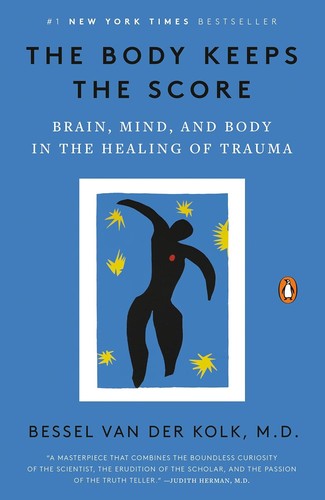
Cover of The Body Keeps the Score
PTSD & Trauma Recovery

The Body Keeps the Score

By: Bessel van der Kolk, MD

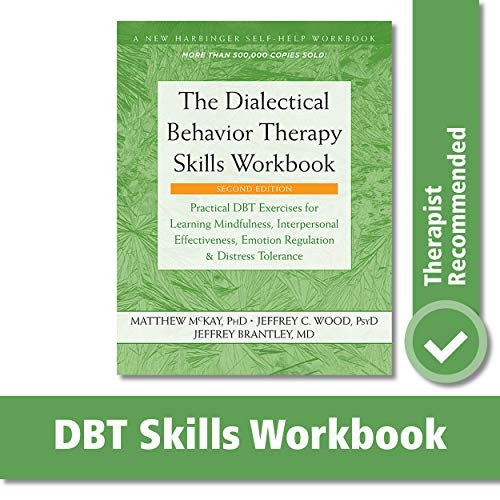
Cover of The Dialectical Behavior Therapy Skills Workbook
Emotional Regulation & Relationship Patterns

The Dialectical Behavior Therapy Skills Workbook

By: Matthew McKay, Jeffrey C. Wood & Jeffrey Brantley

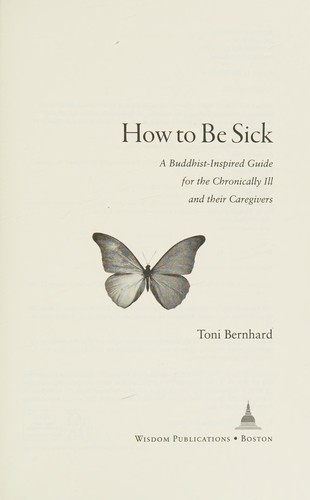
Cover of How to Be Sick
Coping with Health Challenges

How to Be Sick

By: Toni Bernhard, JD

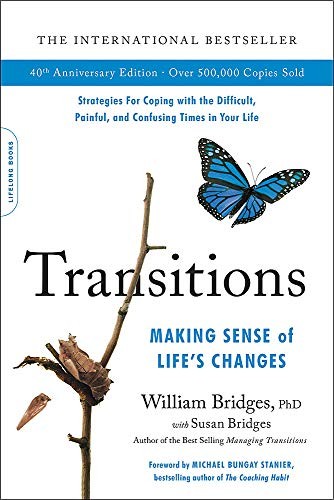
Cover of Transitions: Making Sense of Life's Changes
Life Transitions & Personal Growth

Transitions: Making Sense of Life's Changes

By: William Bridges

Cover of I Have To Call Someone Mama
Understanding Mental Health

I Have To Call Someone Mama

By: Tammy Eady Walker

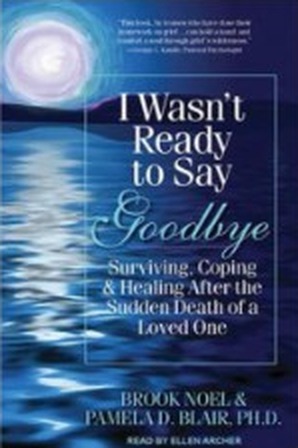
Cover of I Wasn't Ready to Say Goodbye
Understanding Mental Health

I Wasn't Ready to Say Goodbye

By: Brooke Noel

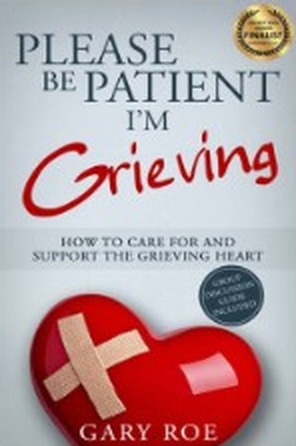
Cover of Please Be Patient, I'm Grieving
Understanding Mental Health

Please Be Patient, I'm Grieving

By: Gary Roe

Cover of Brain on Fire
Understanding Mental Health

Brain on Fire

By: Susannah Cahalan

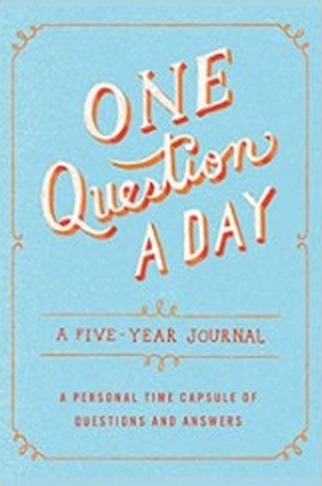
Cover of 1 Question a Day
Couples and Families

1 Question a Day

By: Aime Chase

Cover of Men are from Mars, Women are from Venus
Couples and Families

Men are from Mars, Women are from Venus

By: John Gray

Cover of The 5 Love Languages
Couples and Families

5 Love Languages

By: Gary Chapman

Cover of How We Love
Couples and Families

How We Love

By: Milan & Kay Yerkovich

Video Recommendations

If you really want to know what motivates your thoughts, feelings, and actions, begin by education yourself with some of these “Must Reads”. Please continue to check out this page as it will change often. As I read or find interesting articles I will post them here for you to see.

How To Get Kids To Listen Without Yelling — Live On Purpose TV

Toxic Stress Derails Healthy Development — Center on the Developing Child at Harvard University

Practical Coping Tools

Self-guided techniques you can practice between sessions to settle the nervous system and observe thought patterns.

Box Breathing & 5-4-3-2-1 Grounding

  1. Box Breathing: Inhale 4 counts → hold 4 → exhale 4 → hold 4. Repeat for 3–5 cycles.
  2. 5: Name five things you can see.
  3. 4: Name four things you can feel/touch.
  4. 3: Name three things you can hear.
  5. 2: Name two things you can smell.
  6. 1: Name one thing you can taste (or one steady breath).

CBT Thought Record Guide

  1. Situation: Briefly note what happened and where you were.
  2. Automatic Thought: Write the first interpretation that came up.
  3. Feeling & Intensity: Label the emotion and rate it from 0–100.
  4. Balanced Response: Reframe with evidence, compassion, and a next helpful action.

Ready to talk through what you’re noticing?

Bring questions from these resources into a secure telehealth session across Massachusetts.

Book Appointment